
What’s 🔥 in Enterprise IT/VC #481
Building with Claude Code, Cowork, and Why Learning Velocity Is One of the Only Moats
We’re barely two weeks into 2026 and it already feels like a month. Many of us used the holidays to recharge, but also to build with Claude Code. Now Anthropic has shipped Cowork, effectively Claude Code for everyone. Well, almost everyone. You still need to know what to ask, give it local access, and have the agency to automate real work.
If you haven’t tried it yet, spend some time with it this weekend. You need the $20 Pro plan, but it is one of the clearest glimpses of where work is heading.

The prep for my day was 🔥, but it still has lots of kinks. At times I felt superhuman and others, well, the dozens of interruptions while Cowork was working were a bit annoying. The idea of it running continuously for hours will come.

I, for one, still am enamored by what Claude Code can do. Here’s a simple prompt I used during a board meeting yesterday and it just worked in the background on my laptop:
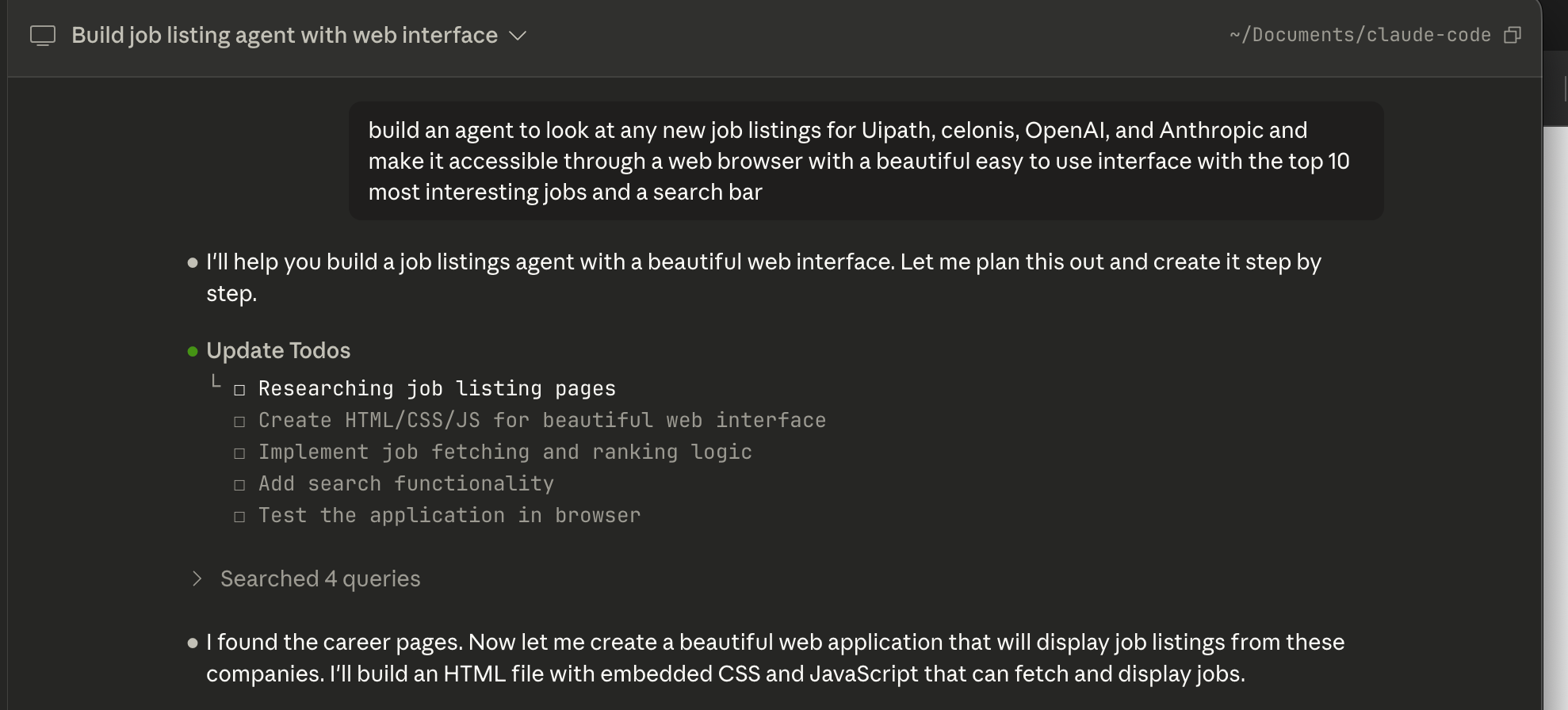
With a few more tweaks, adding more companies to the competitive matrix and doing some trend analysis and scoring, here’s the final output. Super useful and took me a couple minutes of prompting.

Back to Anthropic - the folks behind Claude Code noticed that many developers and users were not just using it to build apps but also to automate their daily lives. And just like that 🫰🏻, in a week and 1/2, they go out and build Cowork which blew up the Internet this past week with startup doomerism. This helped reignite the “SaaS is dead” debate and fed into last week’s market selloff 🫢.

What’s even more insane is that almost all of that code was written by AI 🤯. Let that soak in.

If you can think it, you can have AI just build it.
The real constraint is not access to AI. It’s creativity, taste, and agency.
Secondly, holy smokes, as a founder and investor, you need to double down on your thinking around how fast Anthropic and others will move to adjacent applications and opportunities.
When I first started investing in software in 1996 👴🏻, the moat used to be time and money which meant 18-24 months. As we moved to the cloud and open source, that moat became more like 6-12 months depending on the product. In the world of AI it was more like 1-3 months, and now it feels like it’s just days. Yes, days…
Picture a bullseye 🎯.
At the center is the model built by OpenAI or Anthropic. The next ring is the infrastructure that delivers it, APIs, agent tooling, the plumbing. Outside of that sit applications like chat and coding.
What’s different now is that the bullseye is expanding into the outer rings faster than ever, especially with AI writing much of the code. Products like Cowork collapse multiple categories at once.
If you’re building in the inner rings without real differentiation, you’re already competing with the platform itself. And if you’re investing in the outer rings, your lead time is shrinking faster than you can imagine.
Finally, it’s not like founders and investors will stop building and investing in software companies. As we’ve discussed many times before, the last mile in the enterprise is the longest, hardest, and messiest and to deliver real compelling workflows you need domain expertise, security, lots of integrations, and more.
For example it’s not as if a bank will all of a sudden let every employee use Cowork and give it unlimited access to read and write files on local machines. That would be an insane security nightmare.
All that being said, one of the most important characteristics of the best founders and startups continues to ring true - in order to win and thrive in this world, founders need incredible “learning velocity” and need to build an org that thrives on that. What that leads to is just insane execution.
Back in September 2023 I started writing a document that I shared with everyone titled “Back to Basics Building Startups from Inception - some random notes” - you can request access here.
In it, I shared some patterns of success I’ve seen investing in technical founders from Inception that I’ve learned over 30 years and one in particular is unmistakable - the fastest learners win. Here’s an excerpt:
Early Indicators of Success 🔑
Momentum and velocity
Product velocity - ship fast but also ship what people really need
Hiring velocity - to a point, how fast to get first 3-4 key builders onboard (ideally if an Inception Round, you’ve pre-sold the team who are ready to sign shortly after incorporation)
Learning velocity, especially in case of getting to PMF which is often manifested in a founders’ speed to hone the core value prop and pitch - best founders find signal from noise + iterate quickly + multiple times before PMF. So much goes into that 1 sentence value proposition.
Most founders obsess over product velocity and hiring velocity. These matter. But learning velocity unlocks the other two.
Product velocity is how fast you ship. Hiring velocity is how fast you build the team. But learning velocity is how fast you test a hypothesis, design experiments around it, and adapt based on what you learn.
You can ship fast to the wrong ICP. You can hire fast for the wrong roles. Without learning velocity, the other two velocities just accelerate you in the wrong direction.
When companies as large as Anthropic can learn, build and ship a product in 10 days, this becomes even more important today than ever.
AI amplifies everything. The noise is louder than ever. But the signal is there. The companies that win will be the ones that separate signal from noise at machine speed with human judgment and taste, turning themselves into learning and execution machines.
Learning velocity isn’t just about iterating faster. It’s about:
Testing hypotheses with real customers, not imagined personas
Designing experiments that generate clear signal
Adapting based on what you learn, not what you hoped to learn
Killing noise ruthlessly so signal can break through
This applies to everything: messaging, value proposition, product, pricing, go-to-market, hiring.

Founders, investors, take a deep breath, control what you can but make sure whatever you do you keep learning and applying that every single day.

And there’s always this: keep thinking big!

2026 is going to be an interesting transition year as Claude Cowork is showing us the future while SaaS stocks get hammered - the reality is that it’s still too early and the battle will be fought over the next few years!
This will reward the teams that can learn faster than the market moves. Time to build 🏗️. It’s going to be an incredible year ahead!
As always, 🙏🏼 for reading and please share with your friends and colleagues!
Scaling Startups
#huge unlock but need authority to cross departments and execute

#epic returns

Enterprise Tech
#🎯 make sure those docs are great, readable, markdown rules!

#the future, one week of continuous building with dozens of agents

#second order effects of AI generated code - will be same when regular employees manage dozens of agents

#just imagine the security issues for this tech!

#Skild raises at $14B valuation 😲 - robotics software
Skild AI Inc., a fast-rising startup that makes software to help robots learn to complete tasks, has secured about $1.4 billion in a new funding round that values the company at more than $14 billion, more than triple what it was worth just seven months ago.
The Series C round was led by SoftBank Group Corp., with participation from Nvidia Corp., Macquarie Group Ltd., 1789 Capital and Jeff Bezos’ private investment firm Bezos Expeditions, co-founder and Chief Executive Officer Deepak Pathak told Bloomberg.
Skild said it went from zero to tens of millions of dollars in revenue over a few months in 2025. The startup is working with more than eight clients, according to a person familiar with the matter. The company declined to name its partners.
#another Crowdstrike acquisition as they enter the browser space - founders need to recognize that once you raise that mega round, the list of acquirers dwindles fast, in this case a fantastic exit as the company raised $37M and sold for $400M - while not a billion outcome, I’m sure the early investors and founders did quite well

#this and 💯 - see at least 2-3 a week

haha, and guess what, Clickhouse now is in the LLM observability space and raised at a $15B valuation

#how Claude Code actually works visualized as office workers!

#the death of RAG? this is a huge deal - worth a read 👇🏻

#agents starting to roll out in 2026, from 1000 agents 18 months ago to 25,000 now

#the discussion continues on context graphs and the execution intelligence layer (see my post #478) as James Kaplan who is a Partner at McKinsey and CTO there leading agentic transformation - totally agree on this thought and one I’m already invested in - think next gen Celonis!
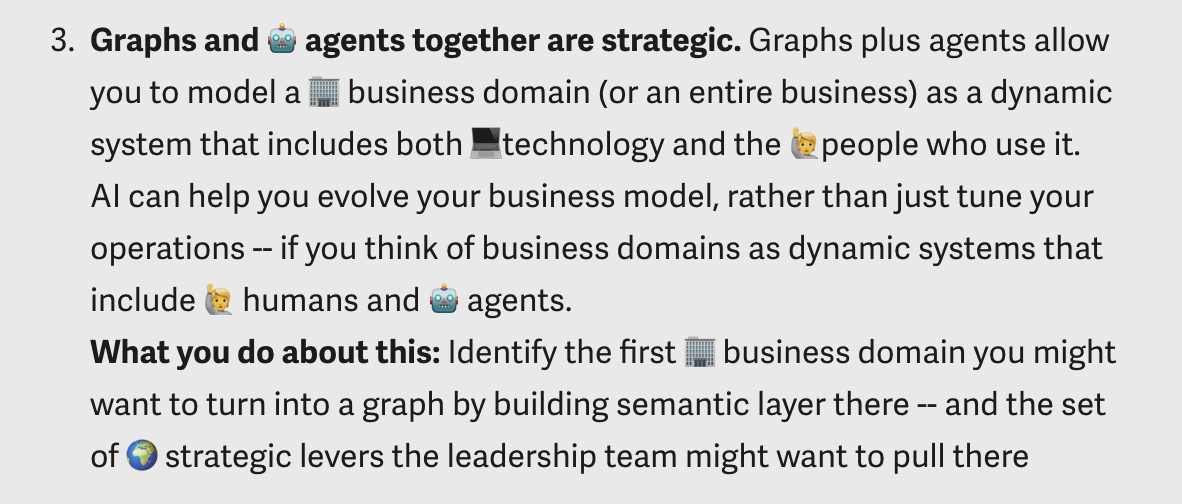
Subscribe to his substack here to learn more about what the largest Fortune 500s are doing

#$2B inception round on the people and this 👇🏻

Markets
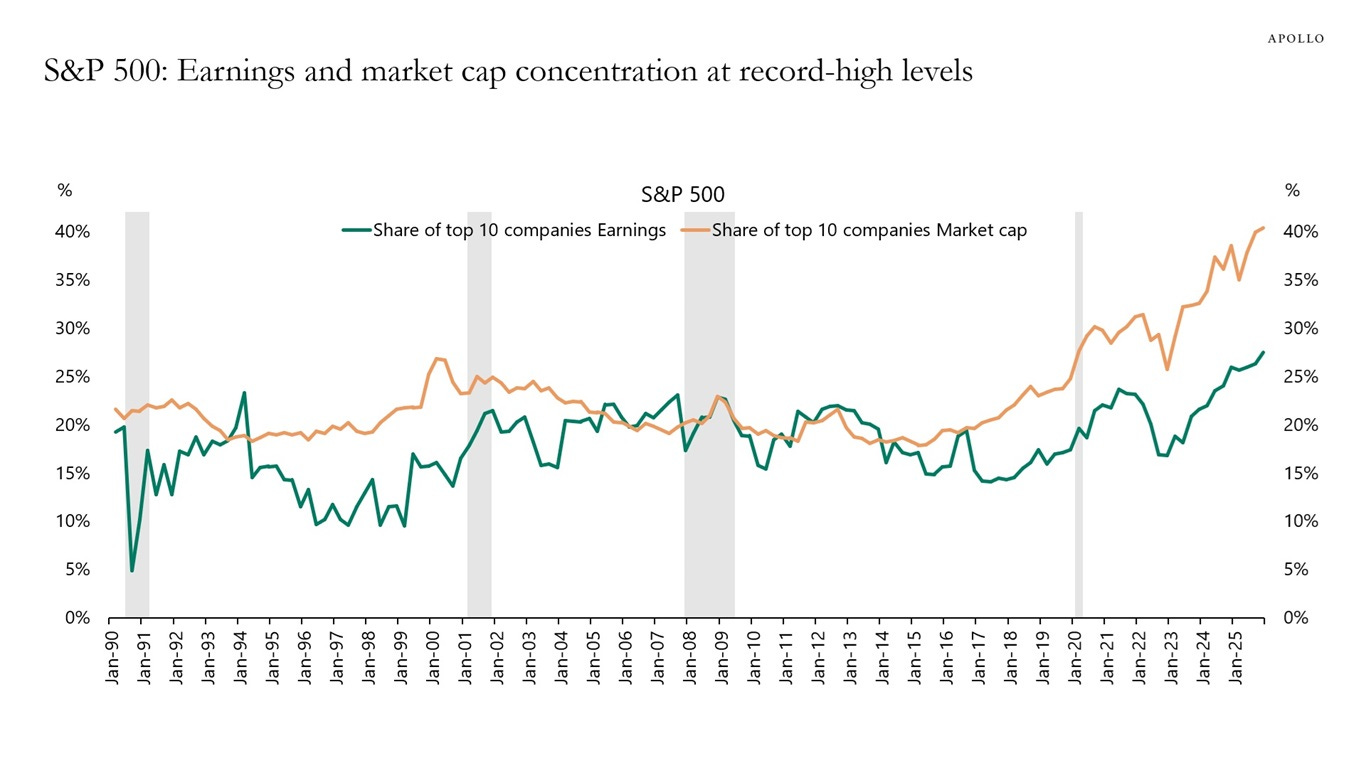
#just so we all get the memo - one stumble with AI where it’s not meeting expectations and we could have a big problem (full deck from Apollo here)
#and the AI native growth continues to $15B in 2 1/2 years- OpenAI $10B of that, Anthropic $3B

#more AI native vs SaaS debate sparked by a Thoma Bravo editorial in the FT here
